

Steel vs. Wood – Longevity and STR ROI
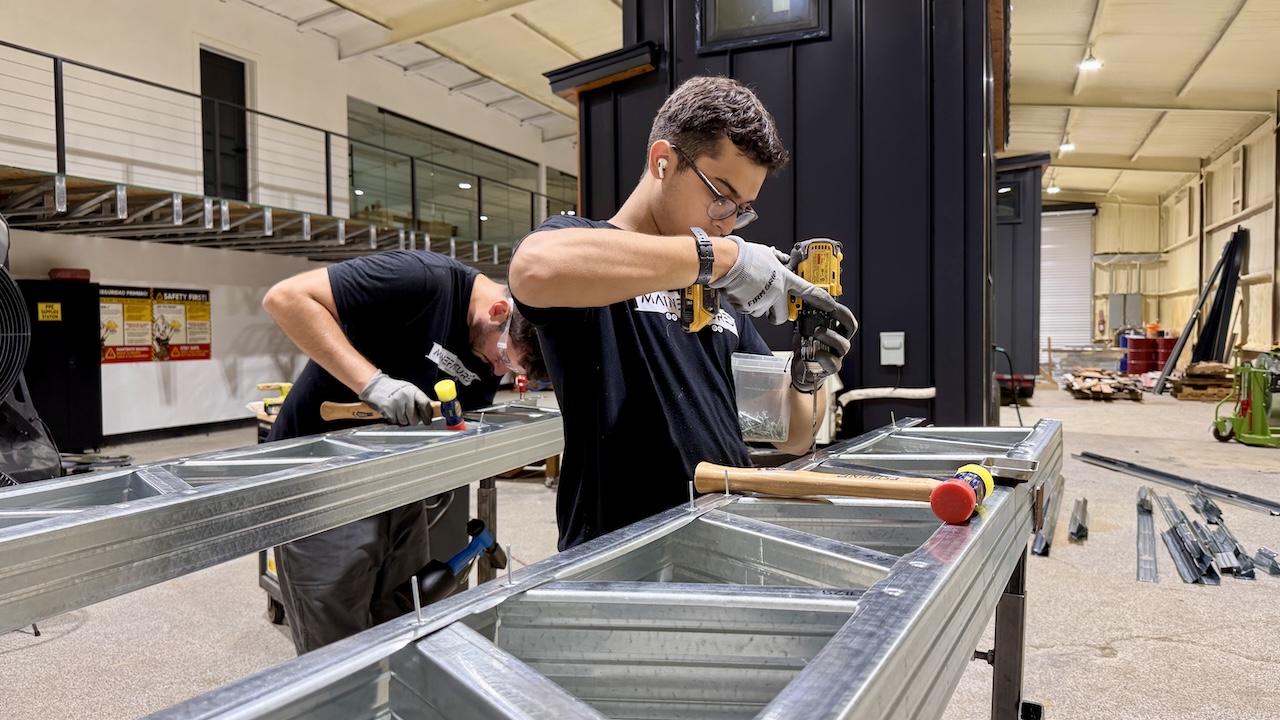
When most people picture a tiny home, they imagine wood. Exposed beams, natural finishes, something that blends into the trees. What many investors don’t realize is that beneath the surface—the part guests never see—lives the true determinant of whether that home will become an appreciating asset or an ongoing repair expense. The frame is where ROI begins.
For decades, wood framing has been the default choice in small‑scale construction. It is familiar, accessible, and inexpensive on day one. A builder can frame a small home from wood quickly, and the upfront cost often convinces investors it is “more affordable.” But affordability must be measured over time, not on delivery day.
A wood‑framed tiny home is vulnerable to movement, moisture, pests, and climate exposure. In cold regions, framing expands and contracts with temperature change. In humid or coastal environments, the risk of mold doubles. These stressors reveal themselves slowly—first as swelling in window frames, then soft spots in floors, then energy inefficiency, then guests who leave reviews mentioning drafty spaces or cold nights.
Repairs follow. A wood tiny home may require structural touch‑ups or replacement in as little as ten to twelve years. The cost of that decline is rarely accounted for at purchase, yet it impacts rental pricing, brand perception, and appraised value. An investor who believes they saved money upfront learns later that the real cost is in longevity.
Steel tells a different story.
Steel framing introduces a level of durability many investors have not yet associated with small homes. It does not warp, expand, attract pests, or trap moisture. Instead, it retains shape and structure—season after season. In a cold‑climate rental, this matters more than most people realize. A single draft or moisture pocket can cause thousands of dollars in damage and lost revenue over time. A steel‑framed tiny home avoids these vulnerabilities before they begin.
When viewed financially, a wood‑framed tiny home often costs ten to thirty percent less on Day One. But steel‑framed homes last decades longer—and that lifespan directly converts into ROI. Investors operating short‑term rentals typically expect a payback period between eighteen and thirty‑six months. If the structure then performs reliably for twenty to thirty years, net profit may stretch across two decades. That is the compounding benefit of steel.
A wood home may reach a similar early payback if bookings are strong. But once the structure begins needing replacement parts and interior repairs—and once guests begin feeling the subtle age in the space—prices drop, occupancy dips, and the model stops resembling passive income. Many investors discover that what seemed cheaper becomes more expensive within five to eight years.
It is not just about longevity—it is about experience. Steel framing allows for larger window openings without structural risk, cleaner lines, and modern designs that make a tiny home feel expansive rather than compressed. When a guest opens a door to a well‑designed steel‑built space, they feel the difference. They are warm without noticing why. They see the view without thinking about engineering. They sleep without damp air or shifting temperatures. Experience becomes seamless.
And it is experience that sells nights—especially in the luxury category. Guests will spend $50 to $125 more per night for a home that feels intentional, premium, and solid. Over a year, that can add $18,000 to $45,000 in additional revenue. Across five years, the premium becomes a six‑figure spread. Steel allows investors to consistently justify that elevated pricing.
The question investors must ask is no longer, “What material is cheapest today?” but rather “What material protects my income for the longest period of time?” Because tiny homes are not like recreational vehicles or seasonal cabins. They are revenue‑producing business units. Their structure is an investment decision.
At Mainefactured, steel framing is not a design preference—it is a financial philosophy. We build for four seasons, for decades of use, and for the level of quality that invites investors to scale, not constantly repair. A tiny home should not ask you for money after it is built. It should give it back to you, year after year.
When an investor chooses steel, they are not selecting a frame. They are selecting a lifespan.
And lifespan is where wealth is created.
Start Your Tiny Home Investment Journey
Let’s discuss your vision and design a custom home that performs for years to come—built to impress guests and protect your bottom line.
